Whenever someone sees me working on a little strawberry keychain or a tiny amigurumi figure, the first question they usually ask is, “Is that knitting?” It is a common mix-up, but it gives me the perfect excuse to explain exactly what is crochet. At its core, crochet is a method of creating a textured fabric by interlocking loops of yarn, thread, or even wire using a single hook. The name itself comes from the French word croche, meaning “hook.”
If you are looking for a relaxing, portable hobby that yields incredibly fast results, you are in the right place. I always recommend crochet to crafters who want to make sturdy, three-dimensional shapes or quick home accessories. Unlike some crafts that require a massive initial investment or complex machinery, crochet relies solely on your hands, a single tool, and a ball of yarn. It is remarkably forgiving; if you make a mistake, you just pull the yarn to unravel it and try again. Don’t worry if your first few attempts look a little uneven—that is completely normal and part of building muscle memory.
Key Takeaways
- Crochet uses a single hook to pull loops of yarn through one another, creating a dense, structured fabric.
- It is distinct from knitting, which uses two pointed needles and keeps multiple live loops open at once.
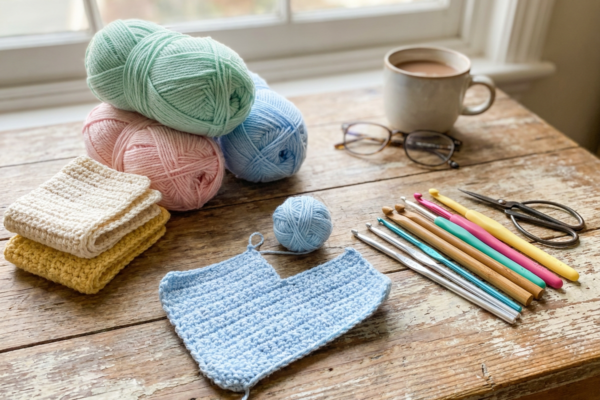
- You only need three basic supplies to begin: a hook, some yarn, and a pair of scissors.
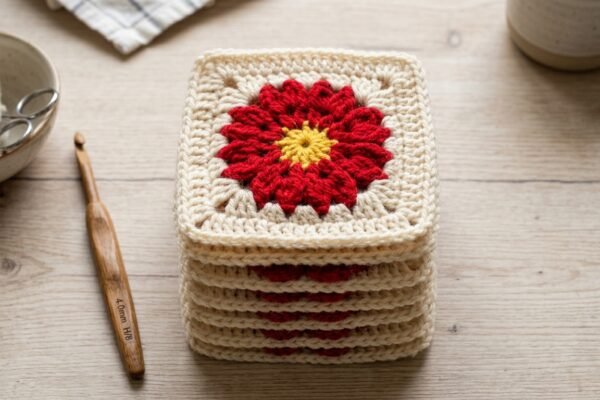
- It is the perfect medium for quick, small projects like coasters, appliques, and mini amigurumi because of its sculptural nature.
The Core Mechanics: How It Actually Works
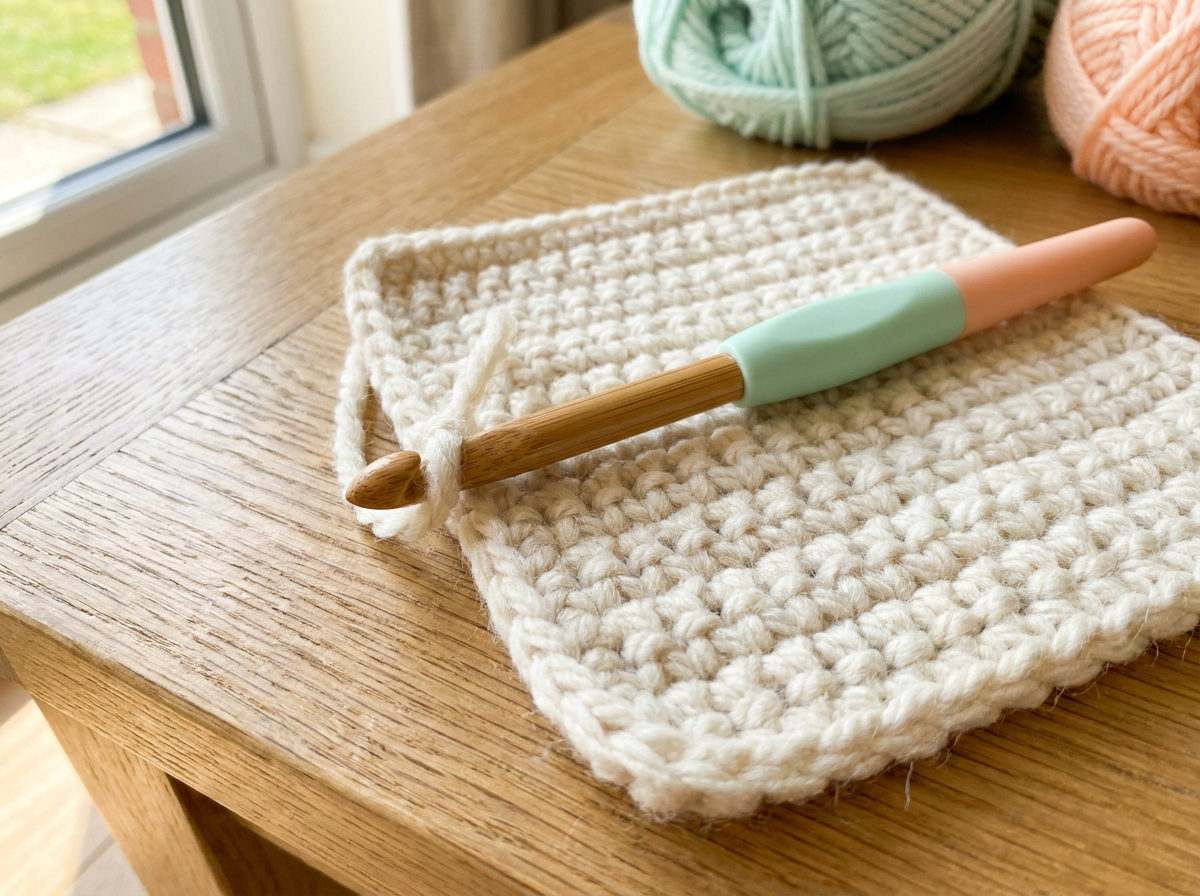
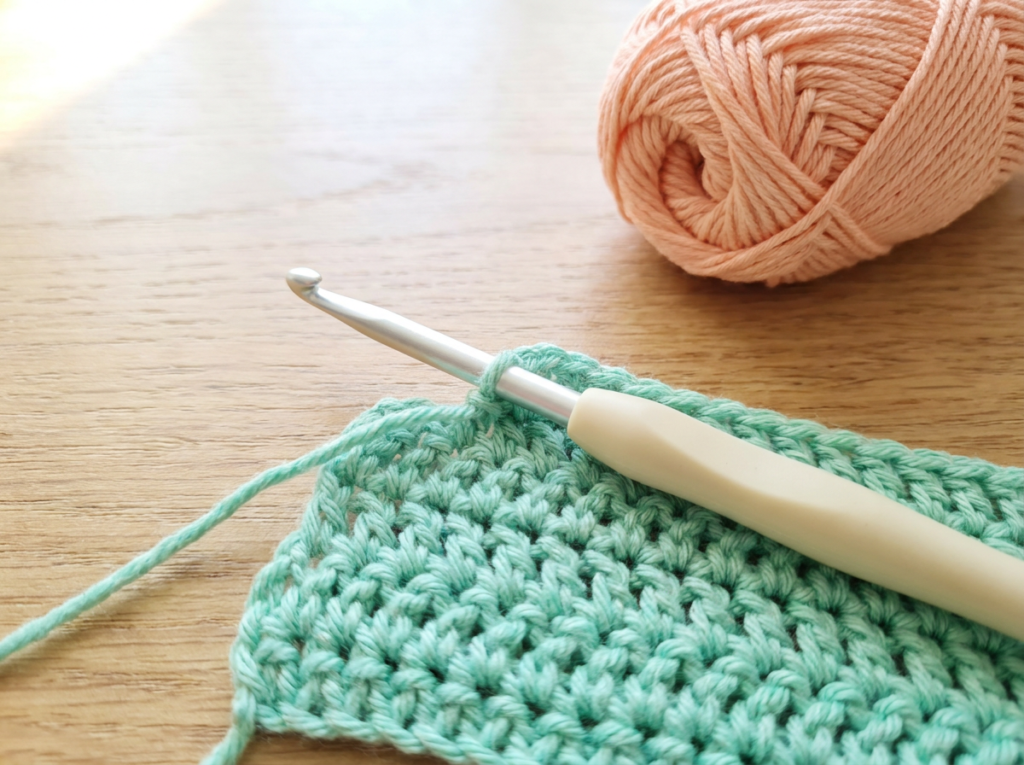
To truly understand this craft, we have to look at the mechanics of the stitches. In crochet, you generally only have one active, “live” loop on your hook at any given time. You insert the hook into a previously made stitch, wrap the yarn around the hook (a move we call a “yarn over”), and pull a new loop through. By chaining these loops together in various heights and combinations, you build a solid piece of fabric.
Knitting vs. Crochet
A mistake I see beginners make all the time is buying knitting needles when they actually want to crochet. While both crafts use yarn, they are fundamentally different. Knitting uses two long, pointed needles and holds an entire row of live loops at once. If you drop a stitch in knitting, it can unravel all the way down the fabric. Crochet’s single active loop makes it much easier to pause your work—just pull the active loop a bit larger, take your hook out, and toss it in your bag.
Building Blocks of Fabric
There are only a handful of basic stitches you need to learn to make almost anything. The foundation usually starts with a “chain stitch,” followed by the “single crochet,” which creates a very tight, dense fabric perfect for small plushies and keychains. Taller stitches, like the “double crochet,” create a looser, more draped fabric. My absolute favourite trick for beginners is to stick entirely to single crochet for the first week. By mastering that one short, simple movement, you train your hands to hold the yarn with consistent tension, which is the secret to neat, professional-looking projects.
What You Actually Need to Start
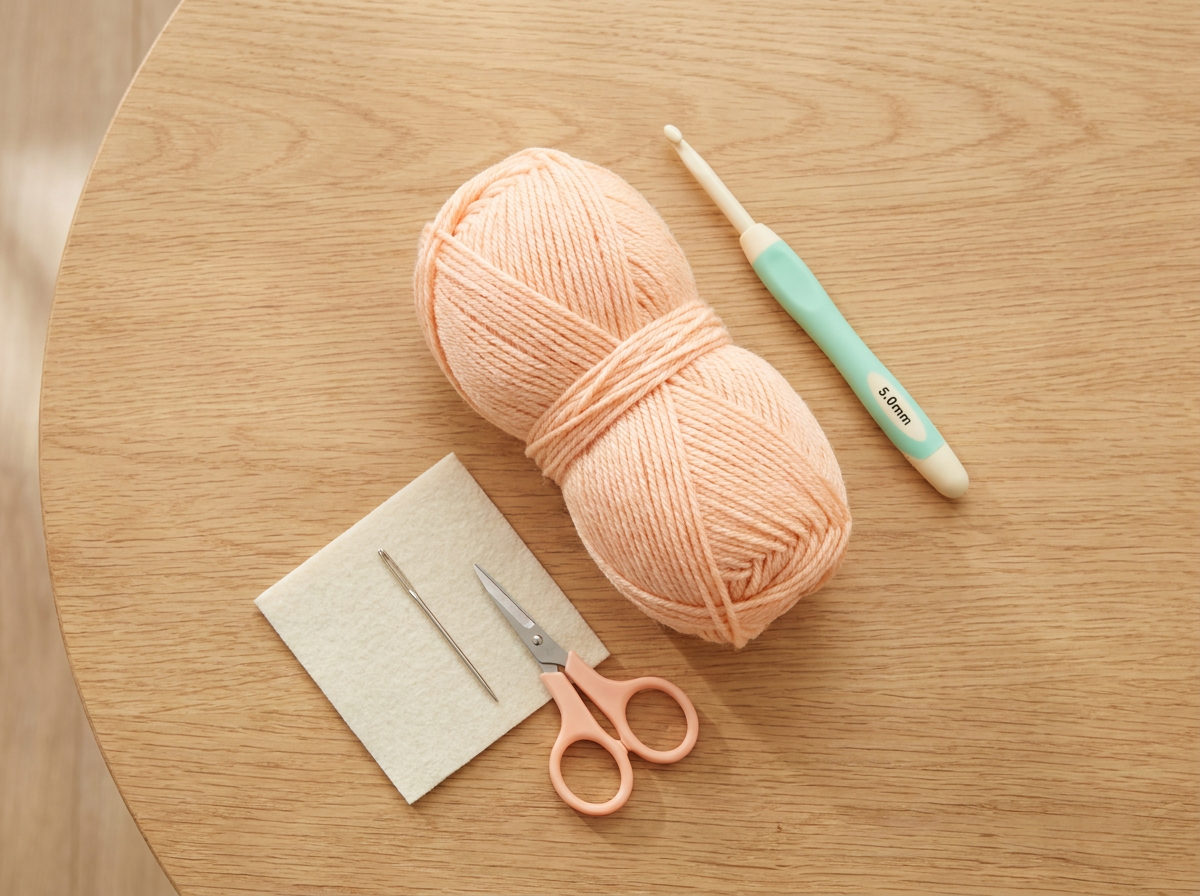
One of the best things about this hobby is how accessible it is. You don’t need a dedicated craft room or expensive machines. However, walking into a craft store can be overwhelming with aisles of different fibers and tools. I always advise beginners to keep it incredibly simple for their first project.
Choosing Your First Hook
Hooks come in various materials: aluminium, plastic, wood, and bamboo. For your very first hook, I highly recommend a medium-sized aluminium hook with an ergonomic handle, specifically a size H/8 (5.0 mm). The metal glides smoothly through the yarn, preventing the frustrating snagging that sometimes happens with wooden hooks, while the ergonomic handle saves your hands from cramping.
Selecting the Right Yarn
Not all yarn is beginner-friendly. Fluffy, fuzzy, or dark-coloured yarns hide your stitches, making it impossible to see where to insert your hook. My advice? Pick a worsted weight (size 4) yarn in a light, solid colour—think baby blue, soft pink, or mint green. Smooth acrylic or a cotton-acrylic blend is perfect because it doesn’t split easily when you are trying to pull a loop through. Cotton is especially great for the small food keychains and coasters we love to make, as it holds its shape beautifully and doesn’t pill.
The Essential Extras
Aside from the hook and yarn, you only need two other items to complete a project: a pair of sharp scissors to cut your yarn, and a tapestry needle (a dull-tipped sewing needle with a large eye) to weave in your loose ends. You can easily get all these supplies for under the cost of a couple of coffees, making it an incredibly low-risk hobby to try out.
The Joy of Fast, Fun Creations
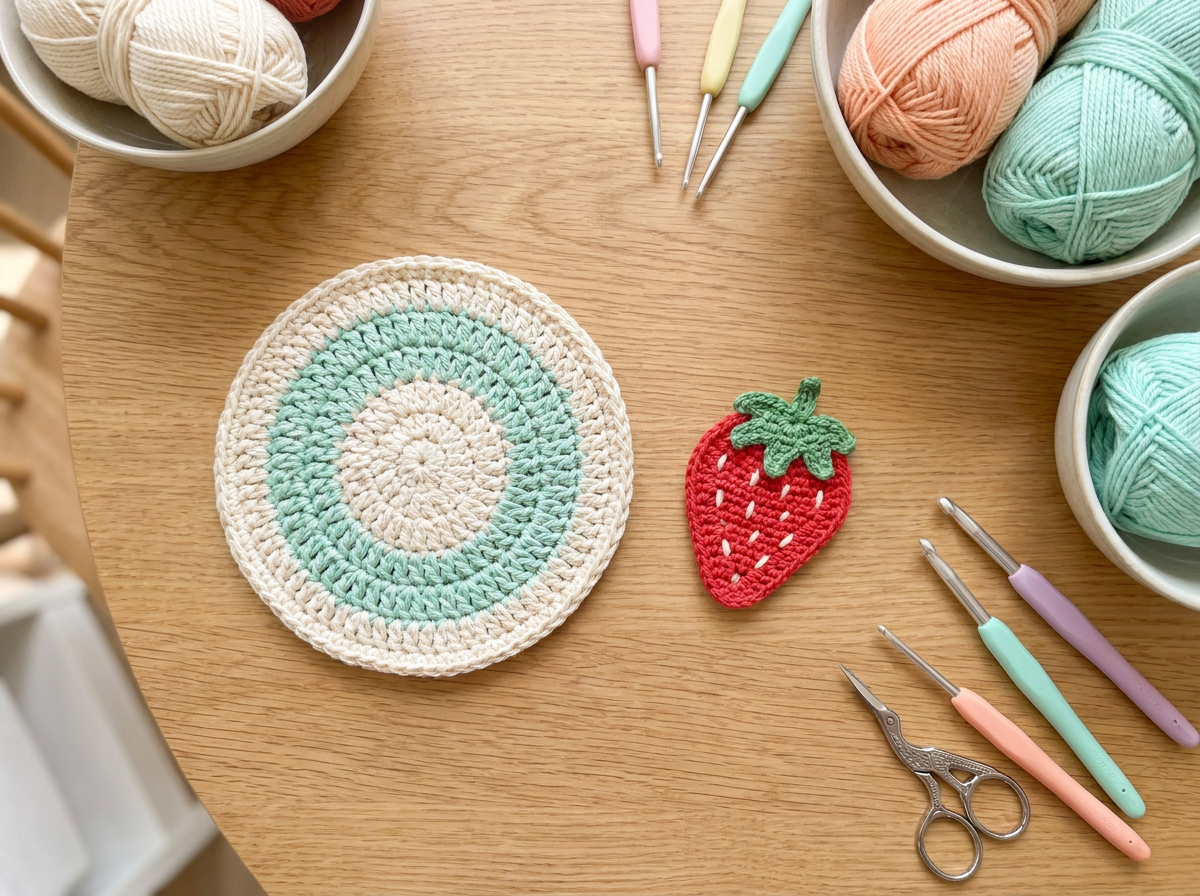
Once you understand the basic mechanics, a whole world of quick, satisfying projects opens up. While large afghans and sweaters are beautiful, they can take months to complete. That is why I am so passionate about small-scale crochet. You can start and finish a cute little project in a single afternoon, which provides an amazing sense of accomplishment.
Working Flat vs. Working in the Round
There are two main ways to construct a piece. Working flat involves making a chain and crocheting back and forth in rows, turning your work at the end of each row. This is how you make square coasters, dishcloths, or scarves. Working in the round, on the other hand, involves crocheting in a continuous spiral or joined circles. This technique is the foundation of amigurumi (the Japanese art of crocheting small stuffed toys) and is how we create 3D shapes like little strawberries, tiny pumpkins, or round fruit slices.
Why Small Projects Rule
If you only remember one thing from this guide, let it be this: start small. Making a tiny watermelon slice bag charm teaches you how to change colours, how to work in the round, and how to increase stitches—all in under two hours. Because crochet creates such a structural, thick fabric, it is the absolute best medium for these kinds of sculptural miniatures. When a beginner finishes their first little plush cherry and holds it in their hand, the pride is palpable. It is a highly portable, endlessly customizable craft that fits perfectly into small pockets of free time.
Frequently Asked Questions
Is crochet hard to learn?
Like any new motor skill, it feels a bit awkward at first because you are training your hands to hold the yarn and hook simultaneously. However, most people find the basic stitches quite easy to grasp after a few hours of practice. Don’t stress if your first few rows are lumpy!
Can machines crochet?
No! This is a fascinating fact: while there are knitting machines, crochet stitches are too complex and multi-directional for machines to replicate. Every single crocheted item you see in the world, even in fast-fashion stores, was made by hand.
How long does it take to learn?
You can learn the foundational chain stitch and single crochet in a single afternoon. Within your first weekend, you will have enough skill to create a simple square coaster or a basic little keychain.
What is the easiest thing to make first?
I always suggest starting with a simple, flat square. A small cotton dishcloth or a mug rug is perfect because it lets you practice keeping your edges straight without worrying about complex shaping or counting in the round.
Conclusion
Understanding the basics of this wonderful craft is just the beginning of a highly rewarding journey. The beauty of crochet lies in its simplicity: one hook, one strand of yarn, and an endless array of possibilities. Whether you want to make practical items for your home, cute little accessories for your bags, or thoughtful handmade gifts for friends, you now know exactly what this craft entails and what you need to get started. Grab a smooth, light-coloured yarn and a comfortable hook, and give yourself the grace to make a few messy stitches. The muscle memory will come, and soon you will be whipping up adorable little projects in no time at all. Happy hooking, and welcome to your new favourite hobby!